
BODY - Building Biology
The structure and finishes of your home are not just aesthetic touches or showing your personal style.
They are the environment your body responds to - every hour of every day.
HEALTHY BUILDING MATERIALS ARE NOT A TREND.
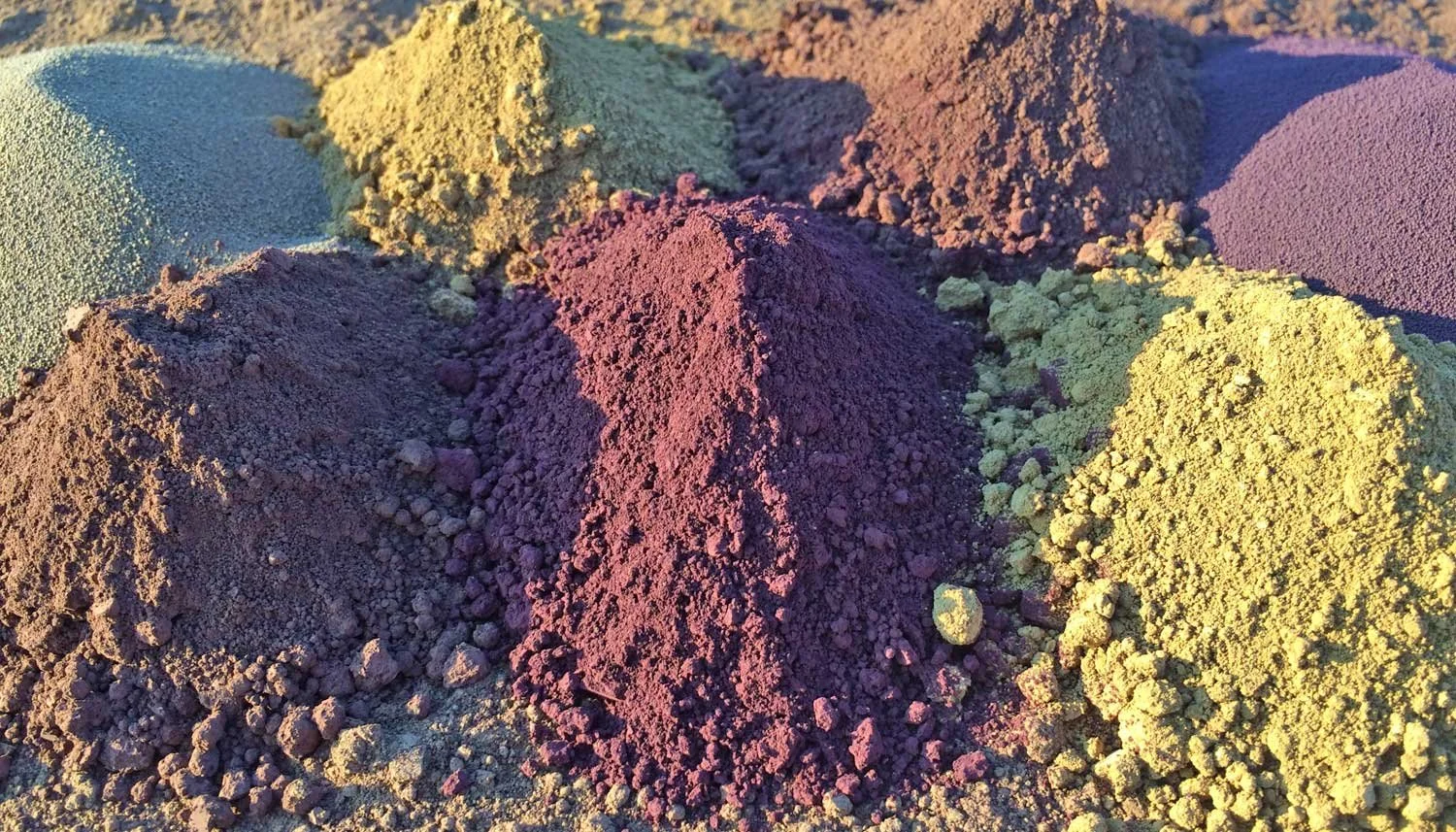
Building biology examines the relationship between the built environment and human health - VOC off-gassing, mycotoxin accumulation, electromagnetic exposure, humidity regulation, material toxicity, the biological effects of light and acoustic environment.
Our material specifications, wall assemblies and ventilation strategies are driven by one standard: would we want to live in this building ourselves.
WE NEED TO BE READING BUILDING MATERIAL LABELS / DATA SHEETS LIKE WE READ FOOD LABELS.
A healthy building is not a premium option.
Building health - and our health - are non-negotiable.
NON-TOXIC AND SUSTAINABLE MATERIALS
We do not specify materials that off-gas VOCs, contain red-list chemicals, or introduce mycotoxin pathways into the building envelope.
Every material is vetted against building biology standards before specification - including adhesives, insulation, vapor barriers, paints and sealants. Not just the visible surfaces. Every layer of every assembly.
NO WOOD IN THE BUILDING ENVELOPE
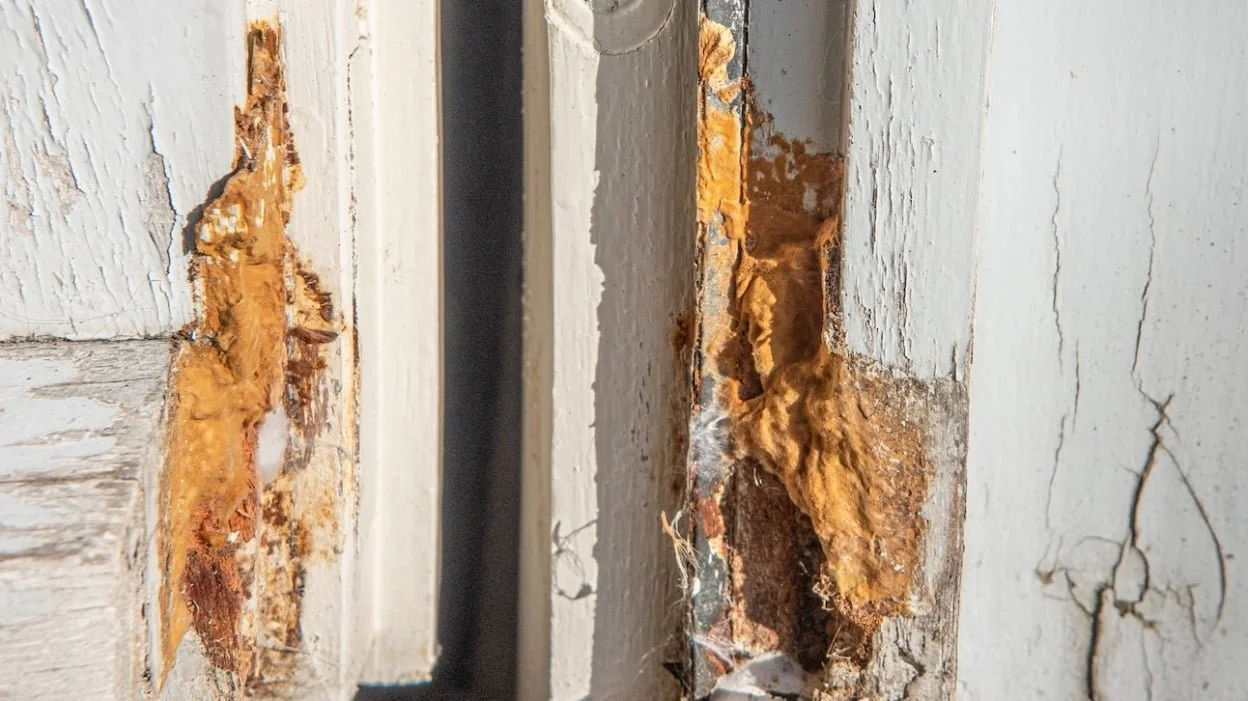
Wood is susceptible to termites, beetles, fungi and mold. These cause structural damage and environmental illness that often goes undetected for years.
Inorganic materials - stone, clay, earth - do not participate in the biological cycle. They do not feed organisms, hold moisture against structure, or off-gas as they age. They provide superior thermal mass and indefinite durability.
The science is unambiguous. We specify accordingly.
AIR QUALITY BY DESIGN
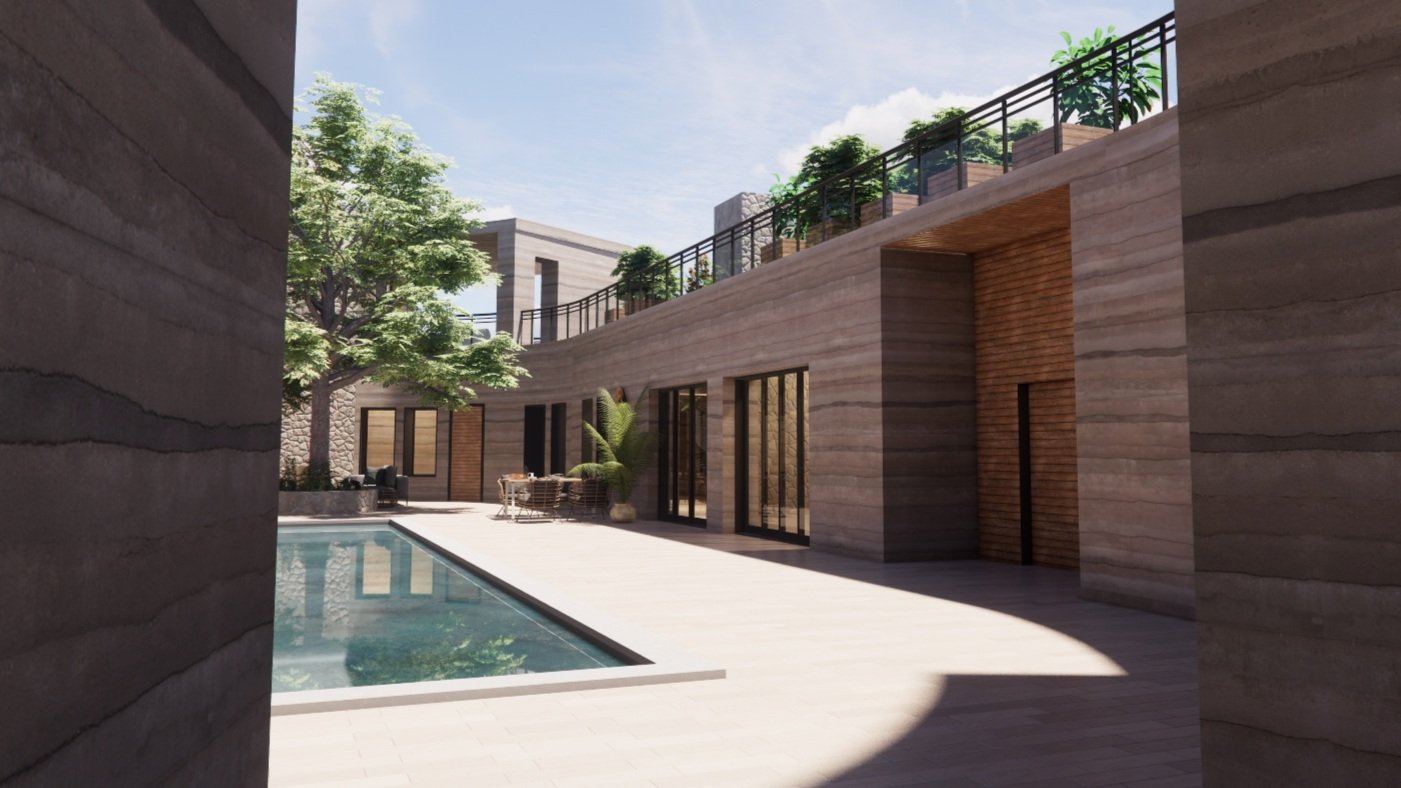
Indoor air quality is not an HVAC specification. It is a design discipline. The materials in your walls, the ventilation strategy moving air through your space, the humidity balance maintained by your wall system - all of these determine what you are breathing.
In a 4D building, air quality is designed in from the beginning. The envelope does not create conditions that require filtration to correct.
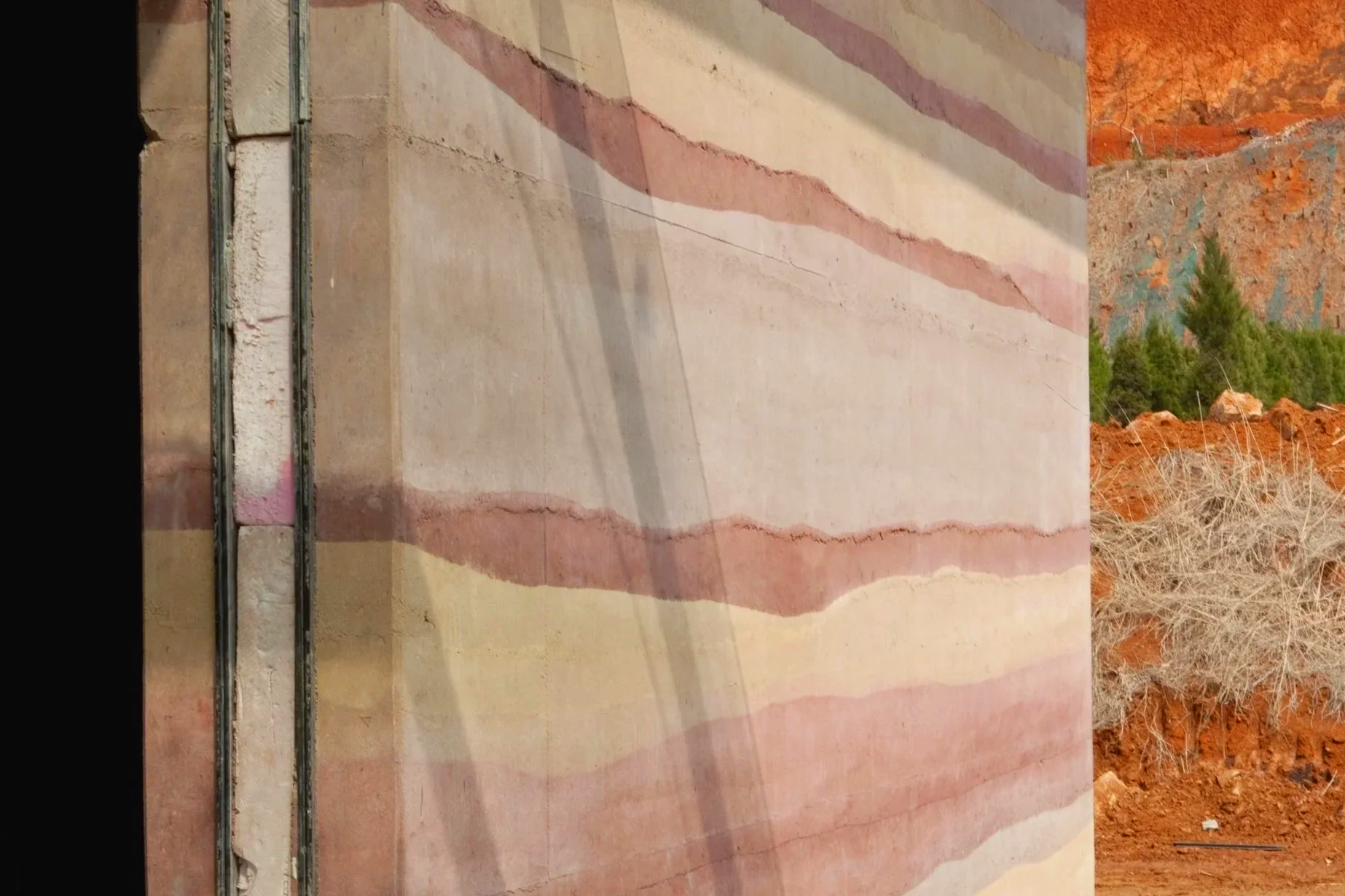
SIREWALL
The Wall we Specify.
Not all Rammed Earth is the Same.
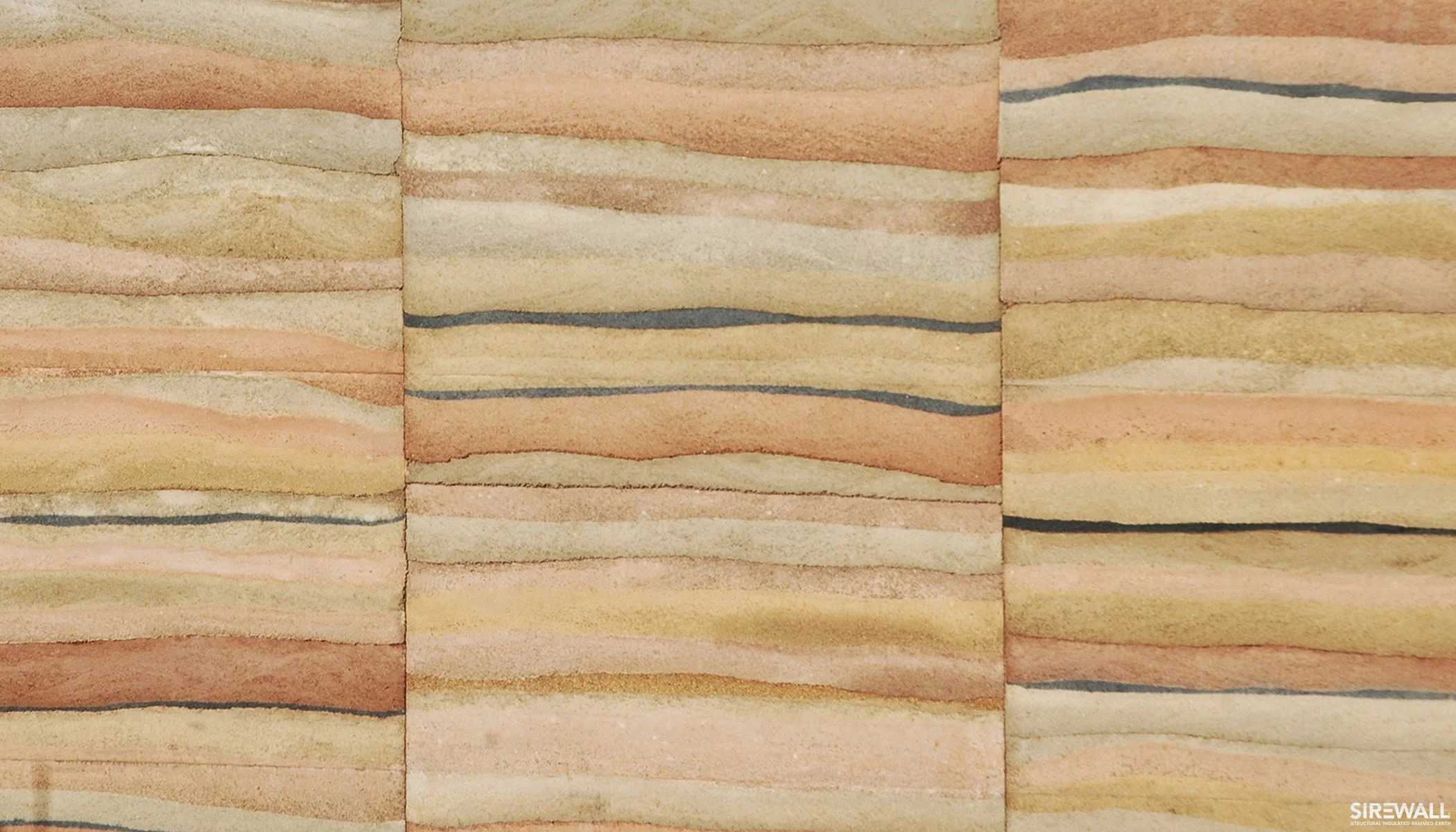
SIREWALL can be described technically as engineered sedimentary stone. Structurally stabilized, thermally broken and hydrophobic. Rated to stand for 1,000 years without sealing or significant maintenance.
No red-list chemicals. No organic materials in the assembly. No mold pathway. No off-gassing. Over 90% locally sourced materials on most projects. Thermal mass that stabilizes interior temperature and humidity passively - reducing or eliminating mechanical heating and cooling loads.
In terms of buliding codes and compliance - it’s stronger than concrete and no surface treatment required. Sirewall does not crack, or support biological growth.
We specify it because it was engineered to be the best wall system in existence.
And because the buildings we design should outlast their owners.